
Eid Mubarak. And mean it.
Muslim inclusion in charity fundraising: beyond the Ramadan appeal
Eid al-Adha falls on 27th May this year. If you have Muslim colleagues, you may already know this. You may have seen something in an internal newsletter, or spotted a diary note from HR. You might even have a card ready.
But I want to ask a harder question than whether you know the date.
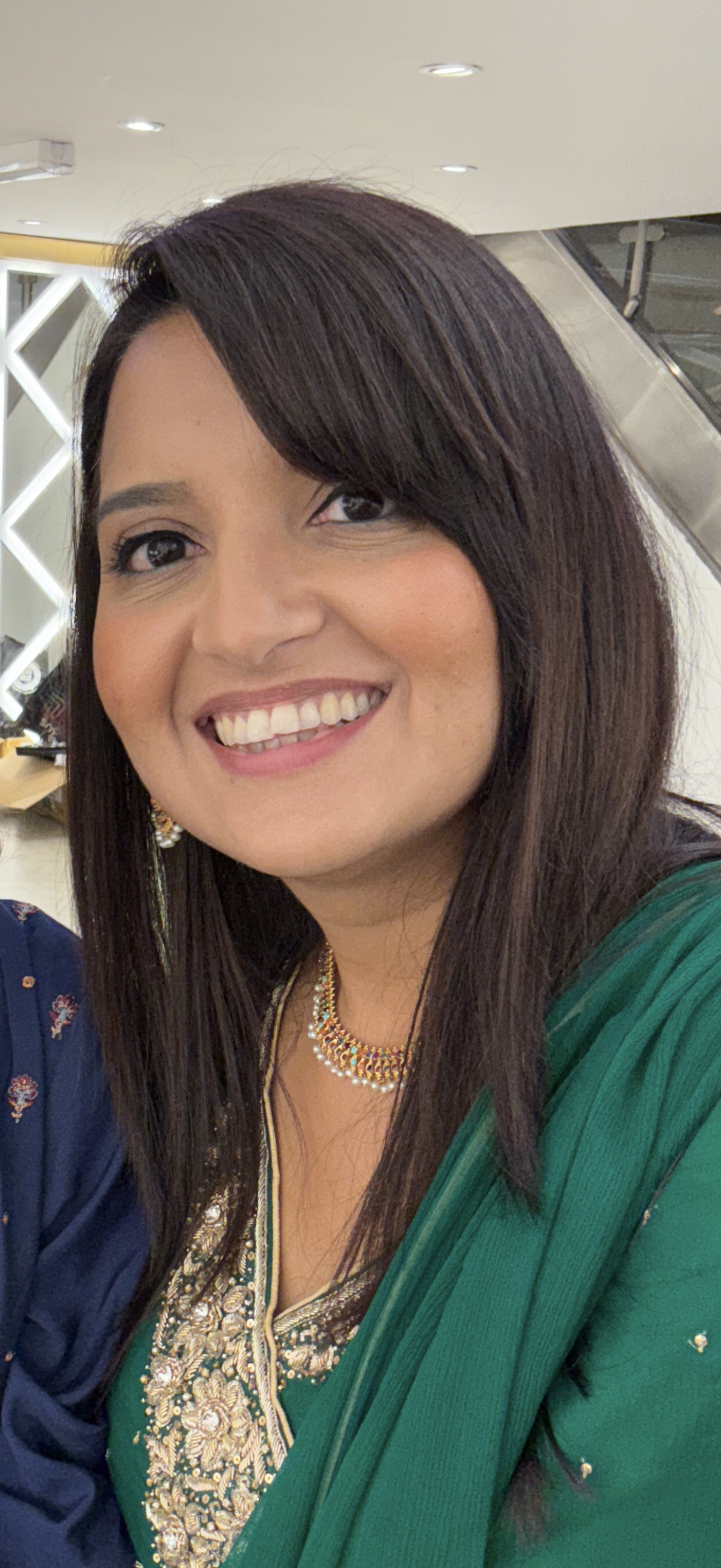
Mehreen Syed, Head of Public Fundraising at the Royal Free Charity, spoke to Flying Cars about Muslim inclusion in the charity sector.
Do you actually understand what your Muslim colleagues are carrying into work with them right now?
I've been sitting with this question since a recent conversation with Mehreen Syed, Head of Public Fundraising at the Royal Free Charity, someone I've known and respected for some time. We spoke during Ramadan, and what started as a conversation about flexible working and inclusive workplaces quickly became something more honest than I expected.
Mehreen described Ramadan as a moment of slowing down - of family, gratitude, and reflection. She spoke about her children making fresh lemon juice for the iftar table. About her manager asking "what do you need?" and meaning it. About co-producing a Ramadan policy with HR that was, as she put it, mostly just common sense.
All of that was heartening to hear. But it was what she said at the end - unprompted, in her own words - that stayed with me.
Eid al-Adha is built around themes of sacrifice, solidarity, and sharing with those who have nothing. This year, Mehreen told me, those themes feel almost unbearable.
For millions of British Muslims with family or deep ties to Gaza, Palestine, Lebanon, Sudan, and beyond, the last two years have brought relentless grief. The festival lands differently when so many fellow Muslims are living under displacement, fear, and hunger.
And closer to home: religious hate crimes against Muslims in the UK rose by 19% in the year to March 2025. Over 1,000 Islamophobic incidents were recorded in London alone. Researchers estimate around 80% go unreported.
I'm writing this as someone who works in the charity sector. An industry that fundamentally considers itself progressive, compassionate, and values-led. An industry that produces EDI strategies and runs unconscious bias training and puts rainbow flags in its social bios.
And I think we need to acknowledge the discomfort here.
Mehreen described a moment from earlier in her career - being told she had to work on Eid, despite it being the Muslim equivalent of Christmas, despite it not being her event to deliver and despite her sister flying in from America for the occasion. She watched a manager on the other side of the team get a day off under similar circumstances without question, a few months later.
She also said something that I think every fundraiser in this sector should hear: that she finds it "a bit inappropriate" when charities only reach out to Muslim donors during Ramadan. That when you've done nothing to build a relationship with a community for the other eleven months of the year, a fundraising appeal in their most spiritually significant period doesn't feel like inclusion. It feels like opportunism.
This is the gap between intent and behaviour that we talk about a lot at Flying Cars. The gap between saying you value diverse communities and actually investing in understanding them. Mehreen pointed to two examples that do this well: the Duke of Edinburgh Award working with mosques in Greater Manchester to identify that the real barrier to Muslim girls participation was the cost of camping equipment - and then funding a solution. And DKMS's "Make Your Aunties Proud" campaign, which spoke to South Asian and Black communities in a way that felt like it came from those communities, not at them.
Both of those required charities to do something genuinely hard: talk to communities before deciding what to do for them. Understand what they didn't know. To design something that might not look like what they'd done before.

The DKMS "Make Your Aunties Proud" campaign is a standout example of inclusive communications done well - designed with communities, not just for them.
Eid al-Adha is a joyful festival. Generous, communal, and equalising - values that should feel very familiar to anyone working in this sector.
Mehreen put it simply: "If Muslim colleagues wish you Eid Mubarak, wish it back warmly. If you're invited to share in the food and festivities, accept with gratitude."
That's the floor, not the ceiling. The floor is being a decent human being in your workplace.
The ceiling is building an organisation - and a sector - that doesn't make people choose between their faith and their career. That reaches new communities because it's done the work to understand them, not because it's spotted a giving moment on the calendar.
So this Eid al-Adha: wish it back warmly. And then ask yourself what comes next.
Eid Mubarak to all who are celebrating.
Five ways to move beyond a Ramadan appeal
1. Ask "what do you need?" - and mean it
Mehreen's manager asked her this question at the start of Ramadan. It sounds simple because it is. You don't need a policy to have a conversation. Start there, and build the policy from what you learn.
And it's not just about the staff you already have. If you're recruiting during Ramadan, consider reasonable adjustments you can make for someone who may be fasting. That gesture, early in the relationship, sets the tone.
2. Know the calendar properly
Eid al-Fitr. Eid al-Adha. Ramadan. Muharram. These are not interchangeable, and they don't fall on the same dates each year. If you'd put Christmas in the wrong month, you'd know about it. The same standard applies.
3. Build the relationship before you need the donation
If the only time your organisation reaches out to Muslim communities is during Ramadan, that's not community engagement - it's a mailing list strategy. Year-round presence, co-produced programming, and genuine partnership are what build trust. The ask comes later.
4. Co-produce - don't assume you know the barrier
The Duke of Edinburgh Award didn't assume they knew why Muslim young girls weren't participating. They asked. The answer - camping equipment costs - wasn't what anyone expected. Sit with communities before you design for them.
5. Be willing to take the short-term hit
Genuinely diversifying your donor base means accepting that some of your spend won't go to your highest-performing segments for a while. If your fundraising strategy can't accommodate that risk, your inclusion strategy isn't really a strategy - it's a statement of intent.